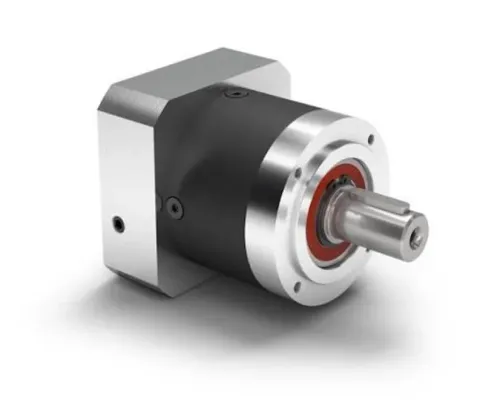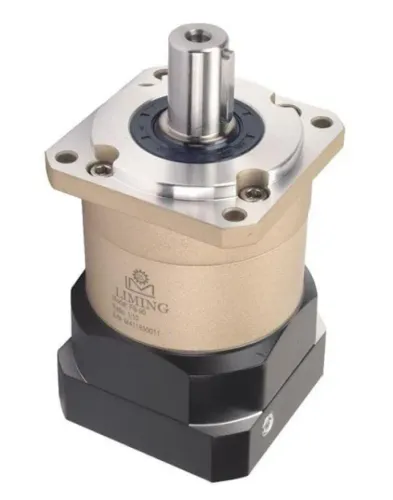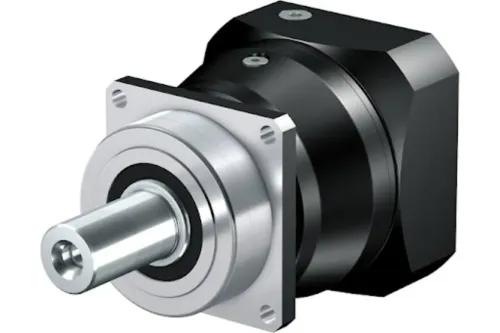
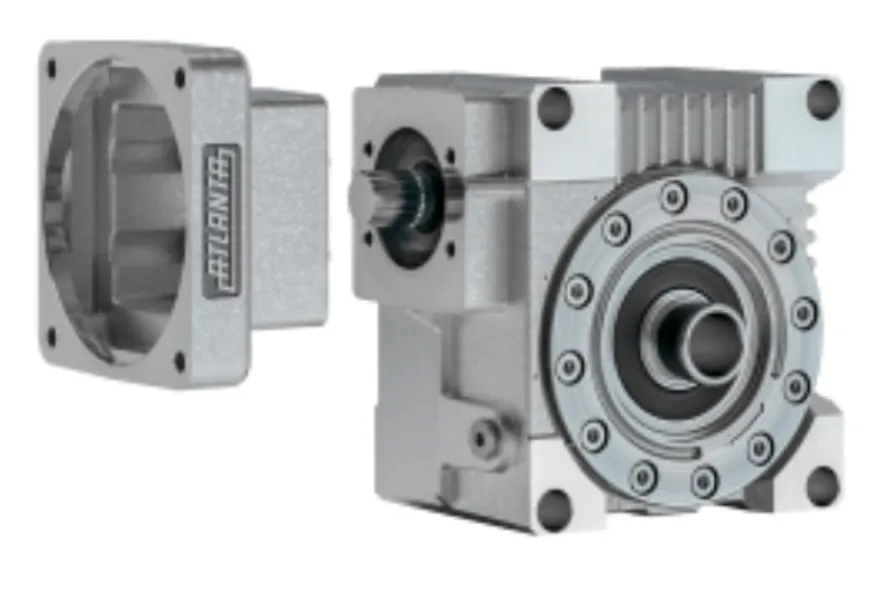
Gearboxes influence torque, speed, positioning, and mechanical integration across a wide range of industrial machines. Selecting an Atlanta Gear Box therefore requires a clear understanding of the drive application rather than relying only on a desired reduction ratio.
For OEMs and plant engineering teams, the correct gearbox should be evaluated as part of the complete power transmission system.
Begin With Speed and Torque
The required output speed helps determine the transmission ratio, while the load determines the torque that the gearbox must handle.
Engineers should establish both normal operating torque and peak conditions. Acceleration, deceleration, emergency conditions, and variable process loads may create torque requirements above steady-state values.
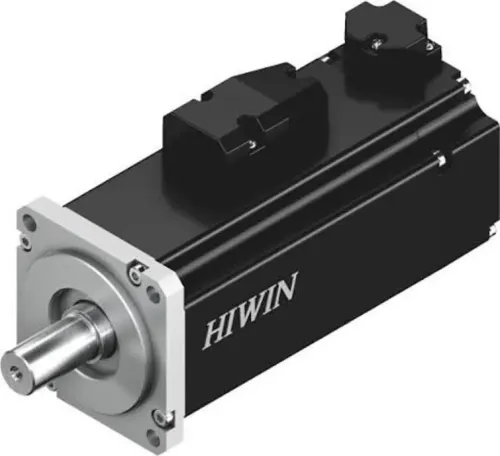
Motor characteristics must also be included in the calculation.
Check the Duty Cycle
A gearbox running intermittently for adjustment work has a different operating profile from one cycling continuously in production equipment.
Important questions include:
- How many hours does the machine operate?
- Is movement continuous or intermittent?
- How frequently does the axis start and stop?
- Are there shock loads?
- Does direction reverse regularly?
- What output speed is required?
- What precision does the application demand?
These questions help establish a realistic operating profile.
Backlash Can Matter in Positioning Systems
In basic power transmission applications, small amounts of mechanical play may have limited impact. In precision positioning equipment, however, backlash can influence repeatability and directional accuracy.
Machine builders integrating servo-driven mechanisms should therefore evaluate gearbox backlash together with the accuracy requirements of the axis.
Couplings, bearings, rack-and-pinion arrangements, ballscrews, and structural rigidity also contribute to overall positioning performance.
Mechanical Integration Should Be Confirmed Early
A technically suitable gearbox can still create project delays if mounting and shaft details are overlooked.
Before procurement, verify motor interface, input dimensions, output arrangement, mounting position, available installation space, lubrication requirements, and connection to the driven mechanism.
For replacement projects, existing drawings and nameplate details can help identify the required configuration.
Evaluating a Provider for Industrial Gearbox Requirements
Bengaluru manufacturers operate equipment across machine tools, material handling, packaging, automotive components, electronics, process industries, and specialized automation. These applications can impose very different demands on a gearbox.
OLE Automation Inc supports industrial automation, engineering, and power transmission requirements for manufacturing companies and machine builders in Bengaluru. When evaluating an Atlanta Gear Box, customers can prepare motor details, required ratio, input speed, output speed, torque, duty cycle, mounting configuration, and application information before requesting a selection.
This makes it easier to assess whether the proposed gearbox matches the real machine requirement.
A gearbox should not be chosen simply because its ratio looks correct on paper. Torque capacity, duty cycle, backlash, mounting, motor compatibility, operating environment, and transmission arrangement all influence the final result.
Treating these factors as one engineering system provides a stronger basis for selecting a gearbox that integrates effectively into new machinery or an existing industrial drive.
Keywords