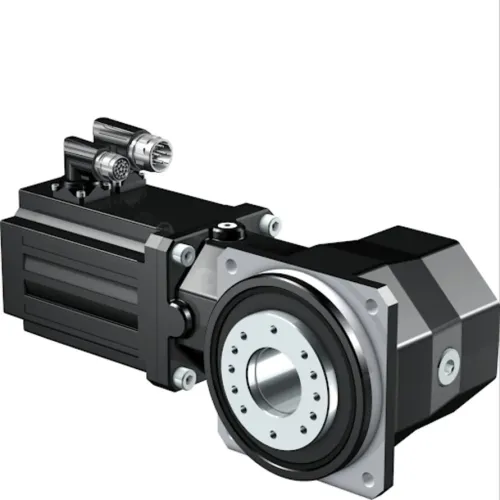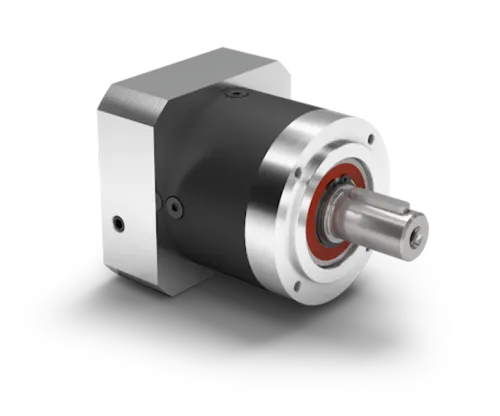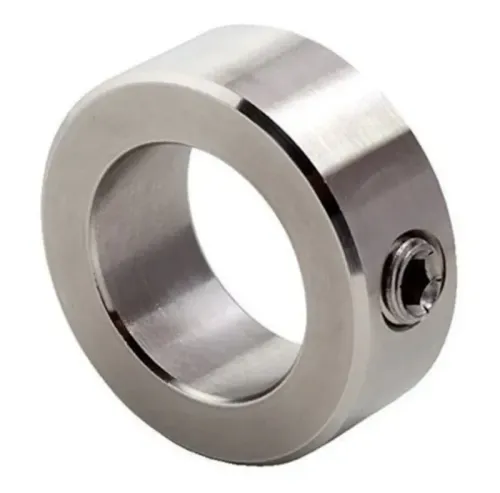
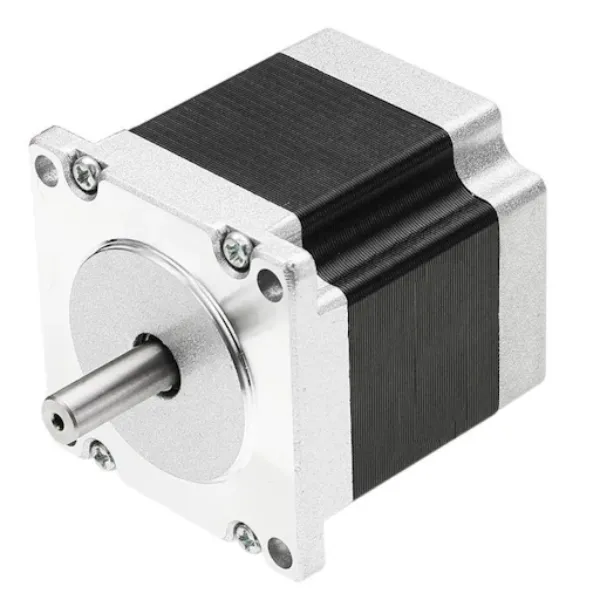
Many automated machines require predictable incremental movement without the complexity associated with more advanced motion-control architectures. In these applications, a Stepper Motor can offer a practical method of converting electrical commands into controlled mechanical movement.
The motor moves through defined angular increments or steps, making it useful for applications requiring controlled sequencing and repeatable movement.
What Makes Stepper Technology Different
Instead of rotating continuously whenever power is supplied, a stepper system can move according to electrical pulse commands. Each pulse corresponds to a defined movement based on the motor and drive configuration.
This allows engineers to control position and speed through pulse frequency and sequence.
Stepper systems are frequently found in:
- Positioning mechanisms
- Labeling machinery
- Small automation equipment
- Inspection systems
- Dispensing machines
- Feed mechanisms
- Packaging equipment
- Laboratory machinery
- Light-duty material handling
Their suitability depends on the required torque, speed, accuracy, and duty cycle.
Torque Changes With Operating Speed
One important engineering consideration is that available torque does not remain constant throughout the motor's speed range.
A motor that produces suitable holding torque at low speed may deliver significantly different performance as rotational speed increases. Engineers therefore need to review torque-speed characteristics rather than relying only on headline torque specifications.
Acceleration also matters because the motor must overcome the inertia of the mechanical load.
Stepper Motor and Mechanical Transmission
The motor is only one component of a positioning system.
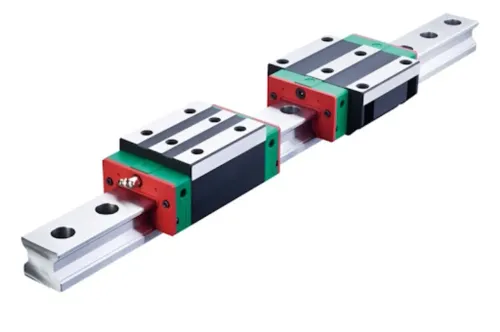
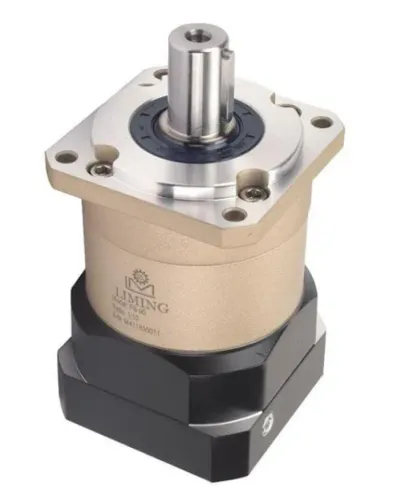
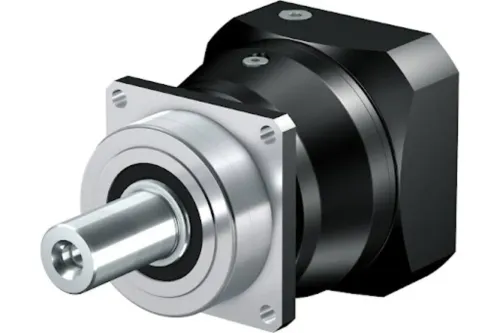
If rotary motion is converted into linear movement through a lead screw or ballscrew, the screw pitch influences travel per revolution. Guideway friction, load weight, coupling characteristics, and bearing arrangements further affect performance.
For example, selecting a motor without considering the screw lead can result in a system that achieves sufficient force but not the required speed, or sufficient speed without suitable positioning characteristics.
When Stepper Technology Makes Sense
Stepper systems are often considered where the motion profile is relatively predictable and the application can operate effectively within the motor's torque-speed capabilities.
For manufacturing companies and machine builders in Bengaluru and Karnataka, this may include auxiliary machine axes, adjustment mechanisms, feeders, positioning devices, and specialized equipment.
However, every application should be evaluated independently. Factors such as unexpected load changes, very high dynamic requirements, demanding feedback needs, and high-speed operation can influence whether stepper technology is appropriate.
Getting Better Results From Motor Selection
A practical selection process begins with the load rather than the motor catalogue.
Define the required movement, calculate the mechanical load, establish speed and acceleration requirements, determine the transmission arrangement, and review the complete duty cycle.
OLE Automation Inc works with industrial automation and machine-building requirements in Bengaluru, including motion and power transmission components. When a Stepper Motor is selected as part of a complete mechanical system rather than as an isolated component, engineers can achieve a more predictable relationship between commanded movement and actual machine operation.
Keywords