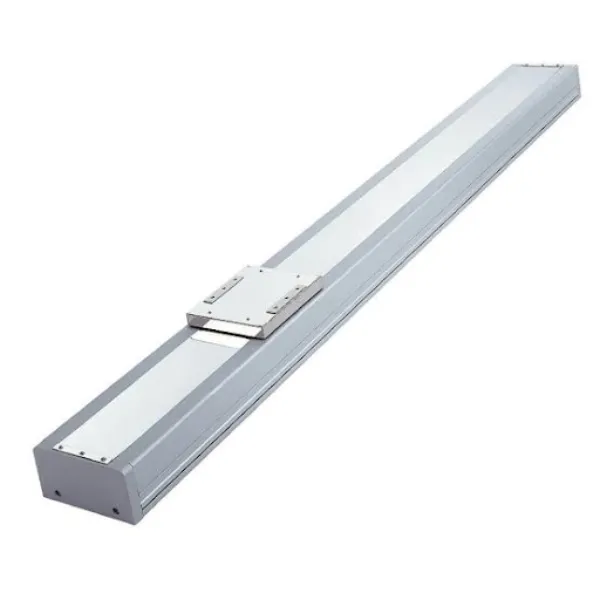
Not every automated process requires a complex multi-axis robotic system. Many industrial operations involve straightforward linear movement between two defined positions, making Single Axis Robots a practical option for machine builders and production teams.
These systems are commonly used when a component, tool, sensor, or workpiece needs controlled movement along one axis.
What a Single Axis System Does
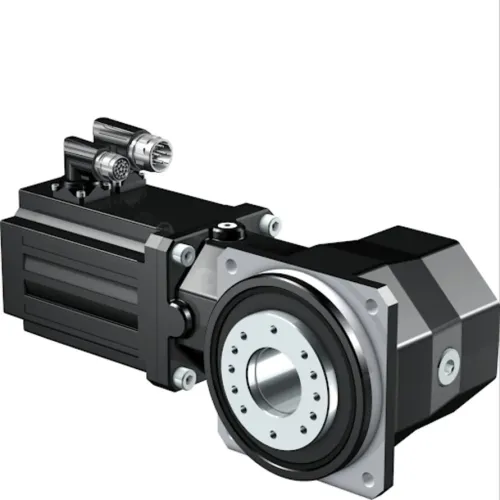
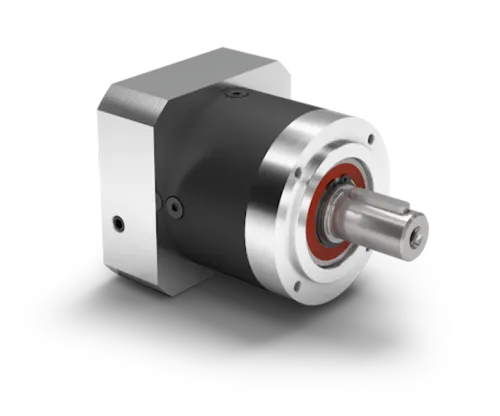
A single axis robotic unit typically combines a linear motion mechanism with a drive system and supporting mechanical components. Depending on the application, movement may be generated through a ballscrew, belt, motor, linear guide arrangement, and controller.
The purpose is simple: create controlled linear movement with the required speed, stroke, accuracy, and load capacity.
Typical applications include:
- Pick and place movement
- Component transfer
- Machine loading
- Inspection positioning
- Dispensing
- Assembly operations
- Packaging machinery
- Material handling
- Testing equipment
Several units can also be combined to create multi-axis Cartesian arrangements.
Why Manufacturers Use Single Axis Automation
One of the biggest advantages is application simplicity. When the production task requires movement in only one direction, adding unnecessary mechanical complexity may increase equipment cost, programming requirements, and maintenance effort.
A correctly selected single axis system can provide a structured approach to repetitive motion.
It can also make machine design more modular. OEMs may use standardized axis modules across different machines and adjust stroke, load, speed, and drive configuration according to the project.
Important Selection Parameters
The required stroke length is only one part of selection.
Engineers should determine:
- Payload and external forces
- Required travel distance
- Maximum operating speed
- Acceleration and deceleration
- Positioning accuracy
- Repeatability requirements
- Duty cycle
- Mounting orientation
- Available installation space
- Environmental exposure
A system operating horizontally may behave differently from the same configuration installed vertically because gravity changes the load requirements.
Production environments involving dust, coolant, heat, or contamination can introduce additional considerations.
The Role of Mechanical Components
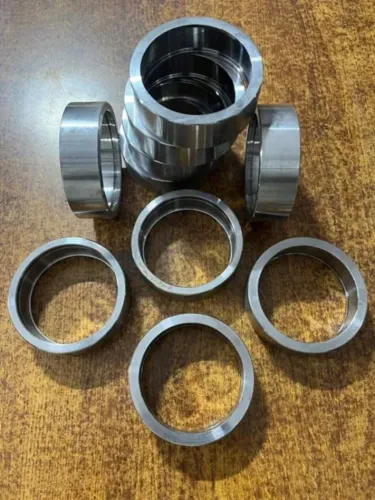
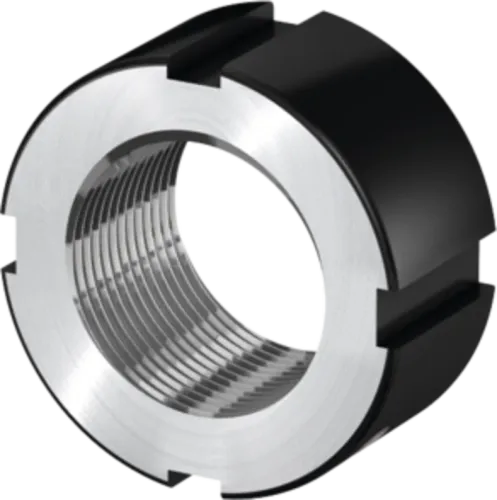
A robotic axis works as a complete mechanical and electrical system. Motor capacity alone cannot compensate for unsuitable guides, screws, bearings, or structural components.
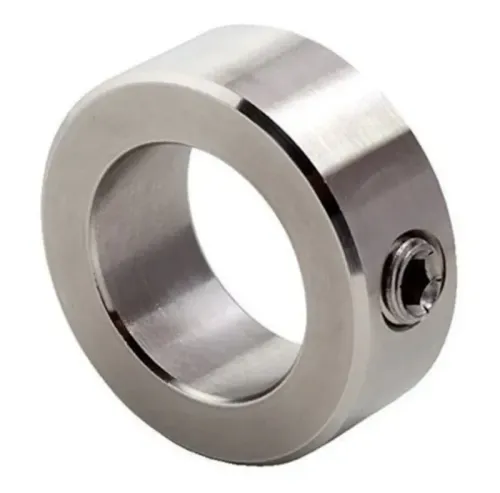
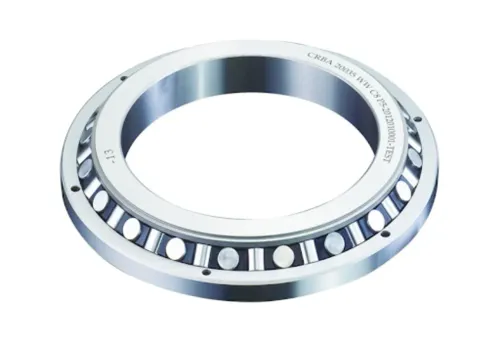
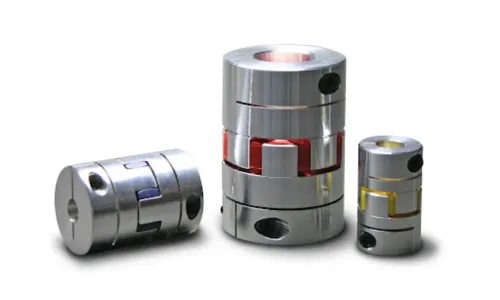
For example, guideway rigidity affects load support, while screw characteristics influence positioning and movement. Couplings, support bearings, lubrication, alignment, and mounting surfaces can also influence long-term performance.
This is particularly relevant for Bengaluru's machine-building and manufacturing ecosystem, where customized automation equipment may need to operate for long production cycles.
Choosing Automation Around the Process
The starting point should always be the manufacturing task.
Engineers can define what needs to move, how far it needs to travel, how quickly it must arrive, what load it carries, and how accurately it must stop. These parameters provide a much clearer basis for selecting Single Axis Robots than choosing equipment solely from catalogue specifications.
OLE Automation Inc works with manufacturing companies, OEMs, and automation teams across Bengaluru on industrial motion and factory automation requirements. A properly engineered single axis arrangement can become a reliable building block for larger automated machinery when its mechanical and operational requirements are defined correctly.
Keywords