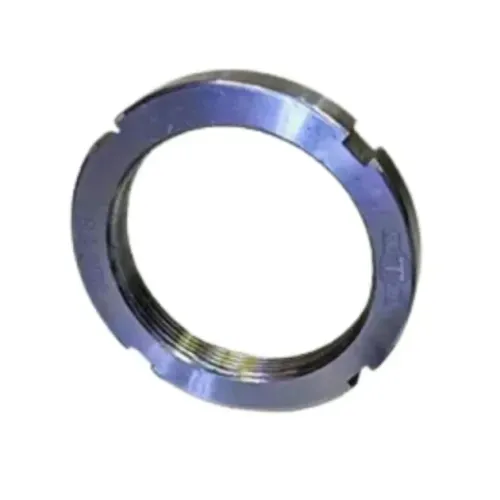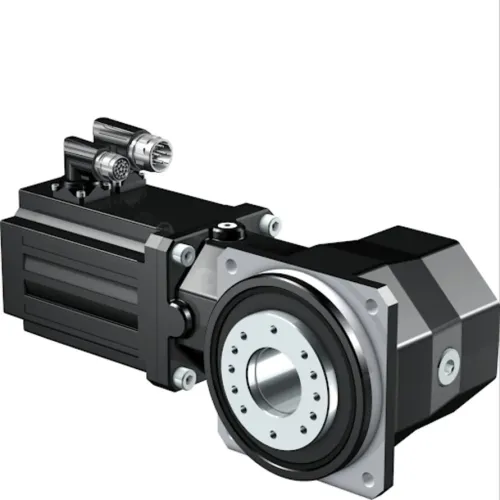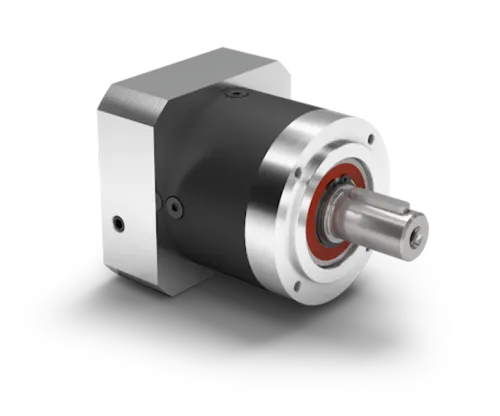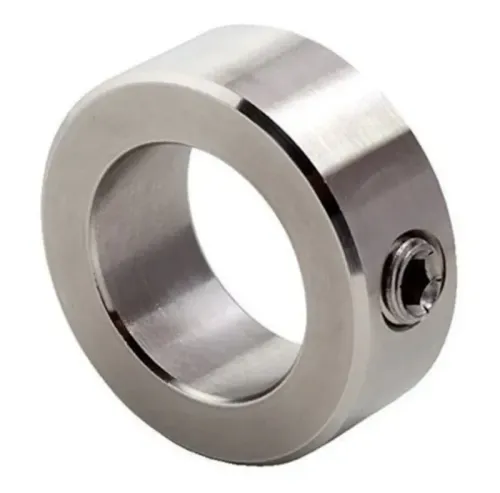
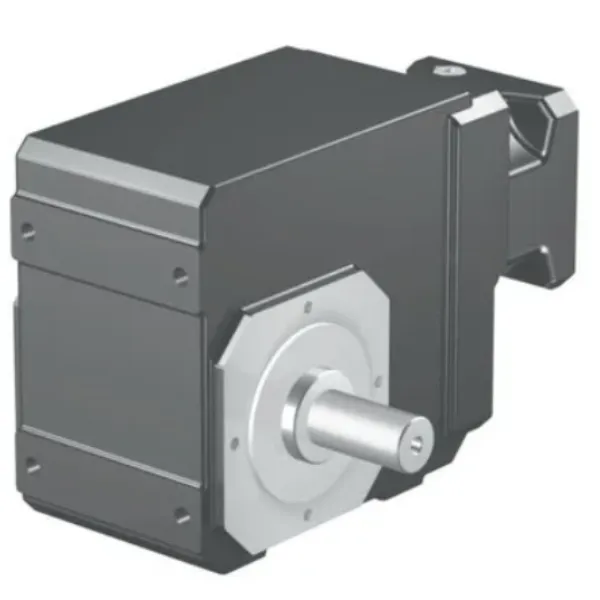
Industrial automation depends on precise coordination between motors, drives, and mechanical power transmission systems. As production environments become faster and more sophisticated, manufacturers require gearboxes capable of maintaining accuracy, efficiency, and long-term reliability. Stober Gearboxes are widely used in automation systems where precision and controlled motion are essential for consistent production quality.
Manufacturing companies across Bengaluru continue upgrading equipment to improve productivity while reducing maintenance costs. Selecting an appropriate gearbox is a critical step toward achieving those goals.
The Importance of Precision Gearboxes
Unlike conventional power transmission systems, automation applications often require exact positioning, controlled acceleration, and smooth operation throughout continuous production cycles.
Precision gearboxes help achieve:
- Accurate motion control
- Improved torque transmission
- Stable machine performance
- Lower backlash
- Better positioning repeatability
- Reduced mechanical wear
These characteristics are particularly valuable in automated production environments.
Typical Applications for Stober Gearboxes
These gearboxes are commonly found in machinery where controlled motion directly affects product quality.
Typical applications include:
- CNC machining centres
- Robotic automation
- Pick-and-place systems
- Packaging equipment
- Pharmaceutical machinery
- Printing systems
- Material handling equipment
- Automated assembly lines
- Semiconductor manufacturing
- Industrial conveyors
As automation adoption increases throughout Karnataka, demand for precision gearbox solutions continues to grow.
Benefits of Precision Gearbox Technology
Improved Positioning Accuracy
Reduced backlash supports highly accurate movement, making precision manufacturing easier to achieve.
Higher Mechanical Efficiency
Efficient power transmission allows motors to perform effectively while reducing energy losses.
Reliable Continuous Operation
Designed for demanding industrial environments, these gearboxes perform consistently during extended production cycles.
Compact Engineering
Modern machine designs often require high performance within limited installation space.
Lower Maintenance Requirements
Proper installation and scheduled servicing contribute to extended operational life.
Factors to Evaluate Before Selection
Every automation project has unique operating conditions.
Engineers typically evaluate:
- Required torque
- Output speed
- Positioning accuracy
- Machine duty cycle
- Environmental conditions
- Motor compatibility
- Mounting configuration
Selecting the appropriate gearbox improves both performance and equipment longevity.
Best Practices for Long-Term Reliability
To maximise gearbox life, manufacturers should:
- Maintain proper lubrication schedules.
- Monitor operating temperatures.
- Inspect alignment during installation.
- Prevent contamination from dust and debris.
- Replace worn seals promptly.
- Conduct routine vibration inspections.
These simple maintenance practices help minimise costly production interruptions.
Engineering Support Makes a Difference
Successful automation projects require more than purchasing individual components. Engineering guidance ensures the selected gearbox integrates effectively with the complete motion system while meeting operational objectives.
OLE Automation Inc supports industrial customers in Bengaluru by providing automation products and engineering solutions tailored to factory automation, machine building, and industrial motion control applications. Product information and technical resources are also available through oleautomation.in for manufacturers planning new automation projects.
Choosing a precision gearbox suited to the application improves operational efficiency, enhances machine accuracy, and contributes to reliable production performance for years to come.
Keywords