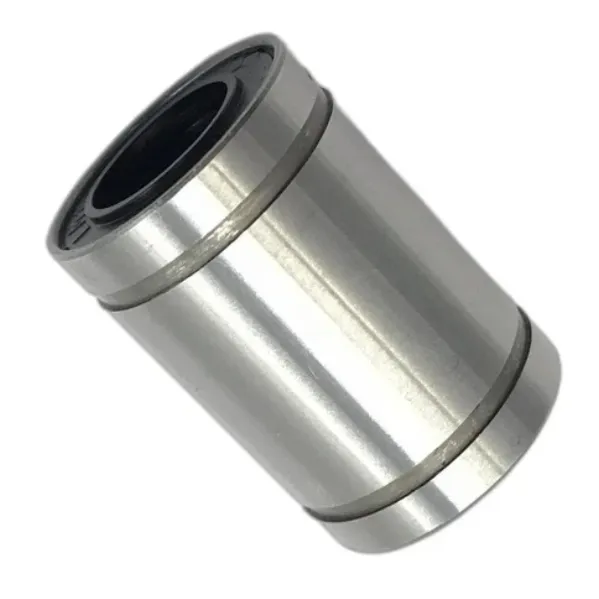
Industrial machines are expected to deliver accurate and consistent performance over thousands of operating hours. One component that quietly supports smooth linear movement is the INS Linear Bearing Bush. Although these bearings are designed for durability, they eventually wear with continuous use. Identifying replacement signs early can prevent costly downtime and maintain production quality.
Manufacturers throughout Bengaluru are placing greater emphasis on preventive maintenance as part of their automation strategy. Replacing worn bearing bushes before they fail completely helps improve machine reliability while reducing unexpected production stoppages.
What Does a Linear Bearing Bush Do?
A linear bearing bush allows shafts to move smoothly in a straight line while reducing friction and supporting precise alignment.
These components are commonly found in:
- CNC machines
- Packaging equipment
- Industrial automation systems
- Textile machinery
- Printing equipment
- Robotics
- Material handling systems
- Inspection equipment
- Assembly machines
Reliable bearing performance contributes directly to machine accuracy and operational efficiency.
Warning Signs That Replacement May Be Needed
Bearing wear often develops gradually, making routine inspections important.
Common indicators include:
- Increased vibration
- Rough linear movement
- Unusual operating noise
- Reduced positioning accuracy
- Visible wear marks on shafts
- Excessive play during movement
Ignoring these symptoms can eventually affect other machine components and increase repair costs.
Causes of Premature Bearing Wear
Although bearing bushes are designed for long service life, several factors can shorten their lifespan.
These include:
- Lack of lubrication
- Dust and metal particle contamination
- Incorrect shaft alignment
- Excessive operating loads
- Poor installation practices
- Using incompatible shaft materials
Following proper maintenance procedures significantly improves bearing longevity.
Best Practices for Longer Bearing Life
Manufacturers can maximise bearing performance by following several preventive maintenance practices.
Recommended steps include:
- Clean shafts regularly.
- Maintain proper lubrication schedules.
- Inspect seals and protective covers.
- Monitor shaft alignment.
- Replace damaged shafts promptly.
- Conduct routine machine inspections.
These practices help maintain smooth machine operation while reducing maintenance expenses.
Selecting Suitable Bearing Bushes
Choosing replacement bearing bushes requires evaluating:
- Shaft diameter
- Load capacity
- Travel distance
- Operating environment
- Motion speed
- Required precision
- Lubrication method
Proper component selection ensures optimal compatibility and long-term performance.
Supporting Predictive Maintenance
Modern manufacturing increasingly focuses on predictive maintenance rather than reactive repairs. Experienced engineering suppliers can assist maintenance teams in identifying replacement components that match existing machinery specifications and improve equipment reliability.
OLE Automation Inc provides industrial automation products for manufacturers across Bengaluru, supporting maintenance engineers and machine builders with reliable motion control and engineering components. Additional technical resources are available through oleautomation.in for businesses planning maintenance or equipment upgrades.
Replacing worn linear bearing bushes at the right time helps maintain production accuracy, minimise downtime, and extend the life of valuable industrial equipment.
Keywords