Mechanical power transmission depends on secure and reliable shaft connections. Traditional methods such as keys and keyways have been widely used for decades, but many modern industrial applications now prefer Shaft Locking Assemblies because they provide stronger, backlash-free connections while simplifying installation and maintenance.
Manufacturing facilities in Bengaluru continue adopting advanced automation systems where accurate torque transmission and dependable mechanical performance are essential. Selecting the right locking assembly contributes to improved equipment reliability and longer service life.
What Is a Shaft Locking Assembly?
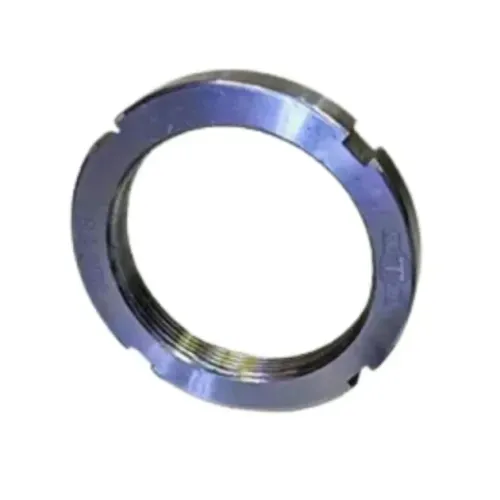
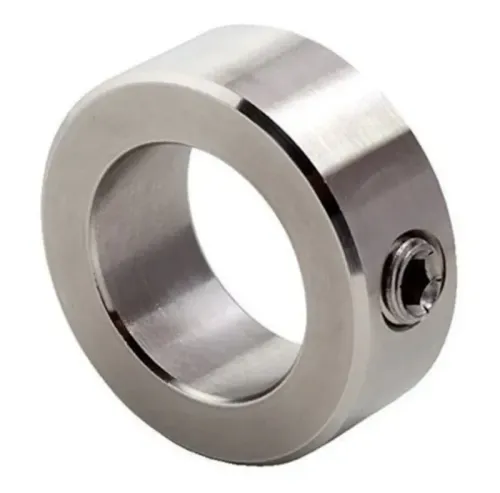
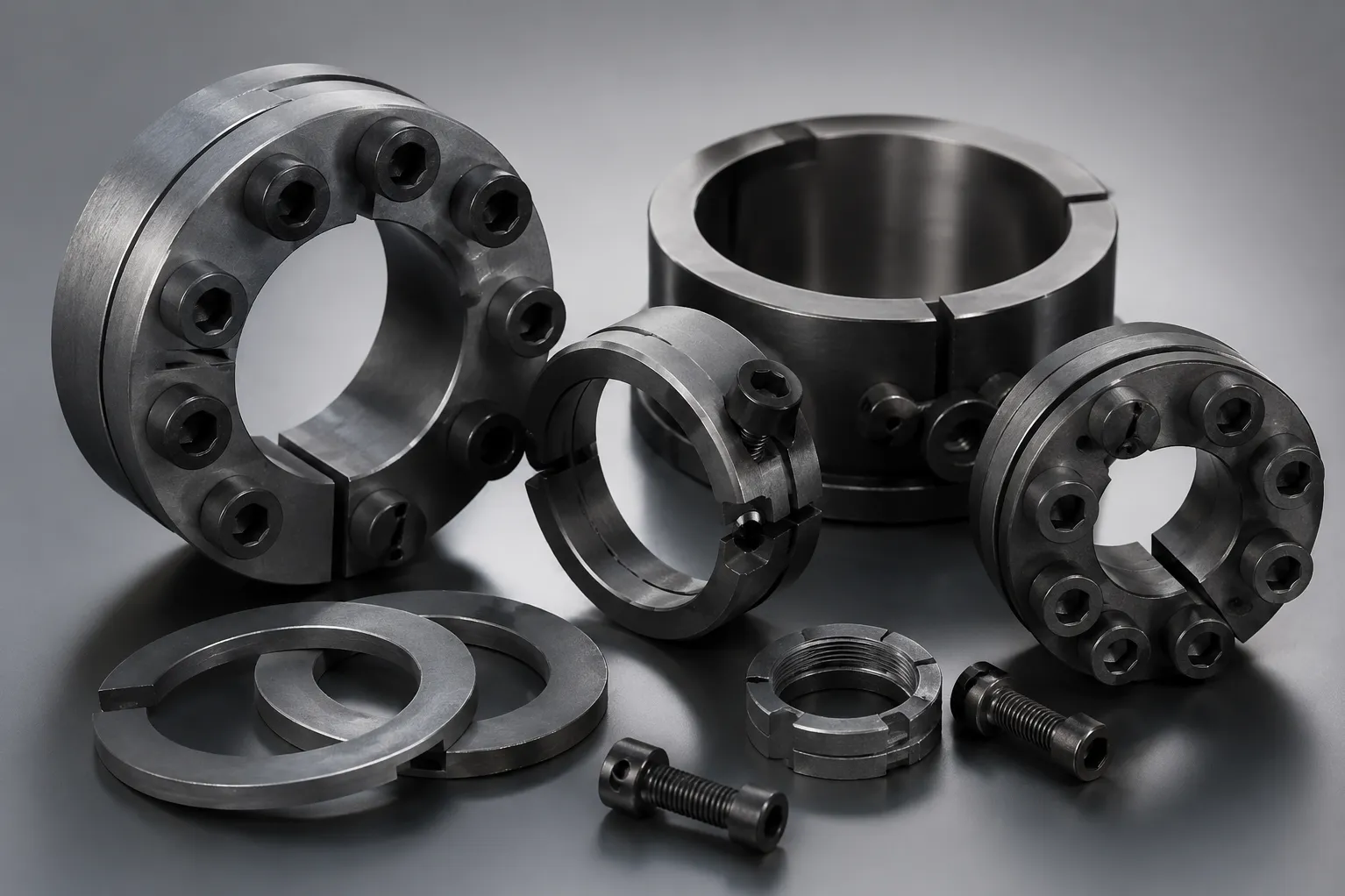
A shaft locking assembly is a mechanical device that creates a friction-based connection between a shaft and a hub without using keys or splines.
Its purpose is to:
- Transmit torque efficiently
- Maintain concentric alignment
- Prevent shaft slippage
- Simplify assembly and disassembly
- Reduce mechanical stress
These characteristics make locking assemblies suitable for demanding industrial applications.
Where Are Shaft Locking Assemblies Used?
They are commonly found in:
- Conveyor systems
- Packaging machinery
- Industrial automation equipment
- Material handling systems
- Textile machinery
- Printing machines
- Mining equipment
- Pumps
- Fans
- Machine-building applications
Growing industrial infrastructure across Karnataka has increased the demand for dependable shaft connection solutions.
Advantages Compared to Conventional Keyed Connections
Modern locking assemblies provide several practical benefits.
These include:
- Uniform load distribution
- Higher torque transmission
- Reduced shaft damage
- Easier maintenance
- Improved positioning accuracy
- Compact installation
These features help improve mechanical reliability while reducing maintenance challenges.
Important Selection Criteria
Before selecting a locking assembly, engineers should evaluate:
- Shaft diameter
- Hub dimensions
- Torque requirements
- Operating speed
- Environmental conditions
- Mounting accessibility
- Machine duty cycle
Careful selection helps prevent premature failures while ensuring dependable operation.
Installation Best Practices
Proper installation contributes significantly to long-term performance.
Recommended practices include:
- Cleaning shaft surfaces thoroughly
- Tightening bolts according to specifications
- Inspecting alignment before operation
- Avoiding excessive tightening
- Performing periodic inspection
These steps help maintain secure connections under continuous industrial use.
Working with Experienced Engineering Partners
Mechanical power transmission systems perform best when every component is selected according to application requirements. Engineering suppliers with industrial automation expertise can recommend compatible locking assemblies that integrate effectively with existing equipment.
OLE Automation Inc supplies industrial automation and engineering products for manufacturers in Bengaluru, supporting machine builders, OEMs, and industrial facilities with dependable mechanical solutions. Businesses planning new equipment or maintenance projects can also review product information through oleautomation.in.
Selecting the correct shaft locking assembly improves torque transmission, enhances machine reliability, and supports efficient long-term industrial operations.
Keywords