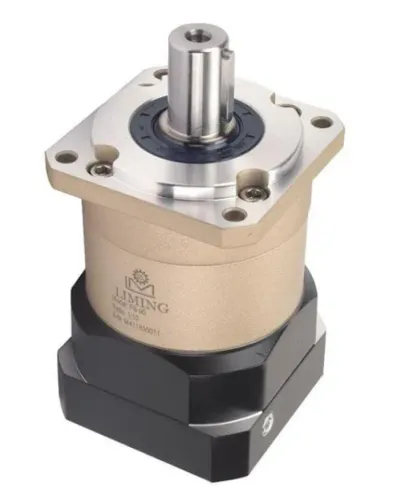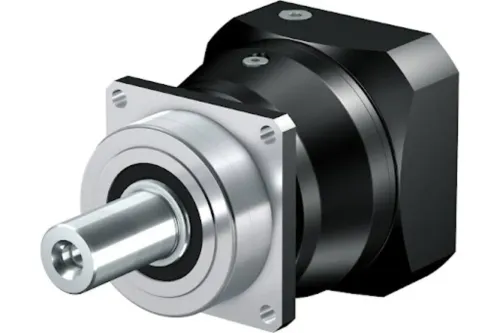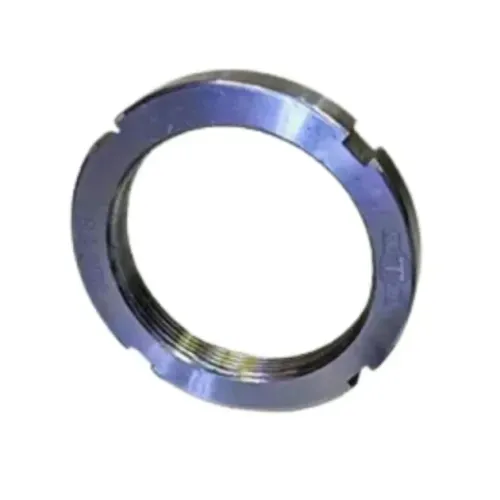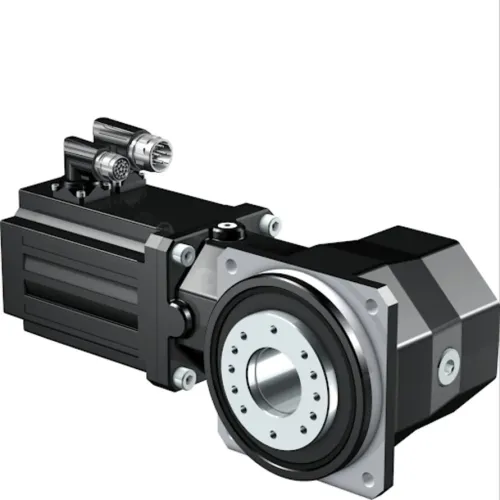
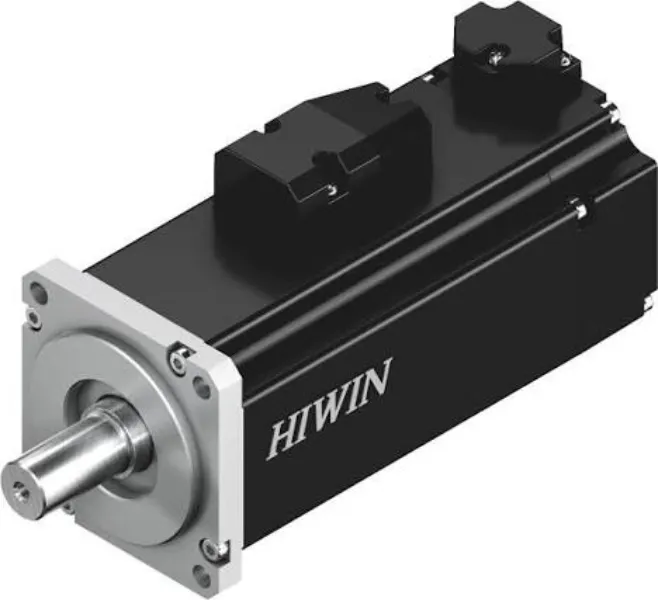
Automated machines must do more than simply create movement. Many applications require controlled acceleration, accurate positioning, repeatable stopping, and coordinated movement with other machine functions. A Servo Motor is commonly used where this level of motion control is required.
Servo systems operate using feedback. Instead of only commanding movement, the control system receives information about actual motor behaviour and continuously adjusts operation.
How Servo Motion Control Works
A typical servo system includes a motor, servo drive, feedback device, and controller. The controller generates the motion command, while the drive regulates the motor according to the required operating conditions.
The feedback mechanism reports parameters such as position or speed back to the system.
This closed-loop operation allows deviations between commanded and actual movement to be detected and corrected.
Where Servo Systems Are Used
Servo technology appears across a wide range of industrial equipment, including CNC machinery, packaging lines, robotics, indexing systems, assembly machines, printing equipment, inspection systems, material handling equipment, and automated production machinery.
The technology becomes especially useful when an application requires combinations of:
- Accurate positioning
- Variable speed
- Controlled acceleration
- Repeatable movement
- High dynamic response
- Coordinated axes
- Controlled torque
A simple continuous-speed application may not require these capabilities, which is why motor selection should always begin with the machine requirement.
Understanding Torque Requirements
A common mistake is selecting a motor mainly from its power rating.
Machine designers need to understand the actual torque required during acceleration, continuous movement, holding, and deceleration. Load inertia also matters because the motor must accelerate and control the connected mechanical system.
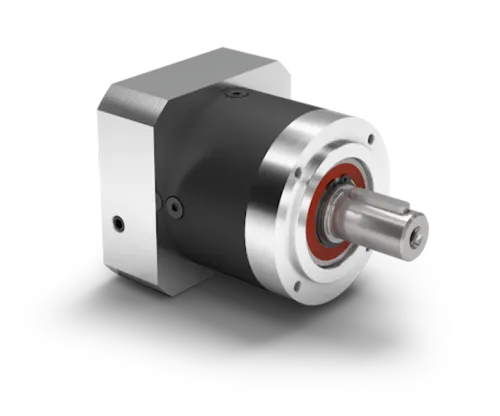
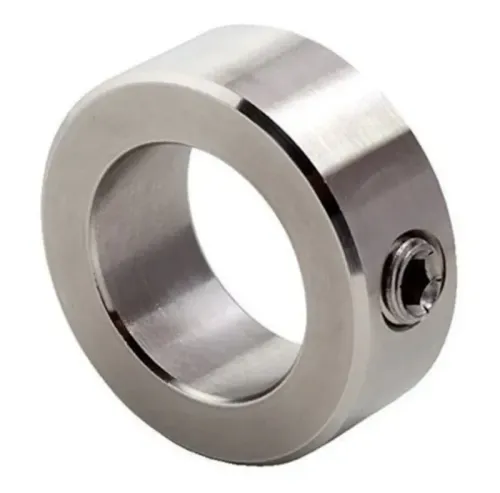
Gearboxes, ballscrews, pulleys, couplings, and other transmission components influence the effective load experienced by the motor.
This makes motor sizing a system-level calculation rather than a catalogue matching exercise.
Mechanical Design Influences Servo Performance
A sophisticated control system cannot completely compensate for poor mechanical design.
Backlash, inadequate rigidity, misaligned guideways, incorrect coupling selection, poorly supported screws, and excessive friction can all reduce positioning quality.
For Bengaluru manufacturers developing high-speed or precision machinery, the mechanical transmission system should therefore be evaluated alongside the Servo Motor and drive.
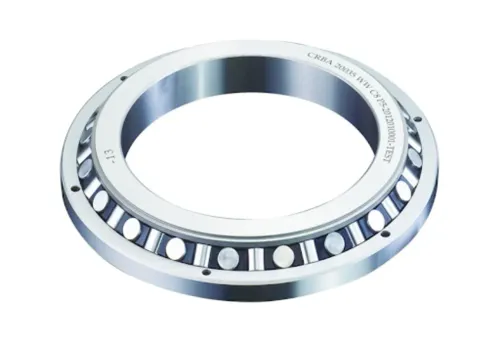
The objective is to create a balanced system where the motor, transmission, guide mechanism, bearings, and structural frame work together.
Matching Servo Capability With the Application
Higher specifications are not automatically better. An oversized system can increase equipment cost and may introduce unnecessary complexity.
Engineers should establish the required motion profile first. This includes travel distance, cycle time, maximum speed, acceleration, payload, transmission ratio, duty cycle, positioning tolerance, and operating environment.
OLE Automation Inc supports factory automation and industrial engineering requirements for machine builders and manufacturing facilities in Bengaluru. Understanding the complete motion requirement before selecting servo components can help engineering teams create machines that are appropriately sized for their intended operation.
Servo technology is most effective when feedback control and mechanical engineering are treated as parts of the same motion system.
Keywords