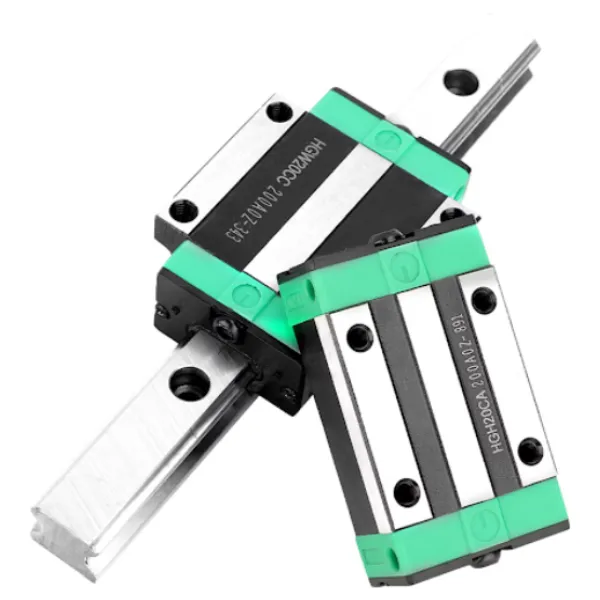
Precision linear movement depends heavily on how effectively the moving structure is supported. When machinery requires high rigidity and controlled linear travel, a Cross Roller Linear Guide can be considered as part of the motion architecture.
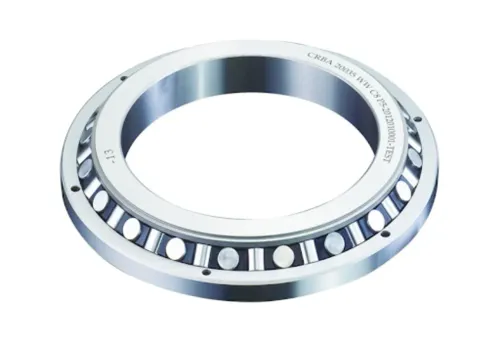
Crossed roller arrangements use rolling elements positioned alternately to manage loads and maintain stable guidance.
Why Rigidity Matters in Linear Motion
Machine structures experience forces during acceleration, machining, inspection, assembly, and material handling.
If a guide arrangement deflects excessively under these forces, the moving component may deviate from its intended path. Even small deviations can matter in precision equipment.
Cross roller configurations can provide rigid linear guidance within compact mechanical layouts, making them relevant to applications where controlled movement and structural stability are important.
Applications That May Benefit
Typical uses can include:
- Precision measuring equipment
- Inspection systems
- Optical equipment
- Machine tool mechanisms
- Semiconductor equipment
- Precision assembly machines
- Specialized automation
- Fine positioning stages
However, selecting this type of guide simply because an application requires 'high precision' is not enough.
Load direction, travel length, operating speed, installation conditions, and maintenance requirements should also be considered.
Check Mounting Accuracy Carefully
Precision guides depend heavily on their mounting surfaces.
Poor flatness, incorrect parallelism, uneven fastening, or contamination between mating surfaces can create unwanted preload and movement resistance. This may produce inconsistent travel or premature wear.
Before installation, engineers should verify the mounting geometry specified for the selected guide.
Cleanliness also matters. Precision rolling surfaces can be affected by debris that might seem insignificant in heavier industrial mechanisms.
Compare the Guide With the Application
Not every axis needs the same guide technology.
A machine carrying substantial loads over longer travel may have different requirements from a compact precision stage performing small controlled movements. Speed requirements can also influence guide selection.
The engineering question should therefore be whether the guide's load capacity, rigidity, accuracy characteristics, travel capability, and mounting requirements fit the intended equipment.
This is particularly relevant to Bengaluru machine builders producing customized automation, inspection, electronics manufacturing, and precision engineering equipment.
Avoid Overlooking Surrounding Components
The guide cannot create machine accuracy by itself.
Structural stiffness, actuator selection, screw accuracy, bearing support, coupling behaviour, motor control, and assembly alignment all contribute to final performance.
OLE Automation Inc supports industrial automation and engineering requirements in Bengaluru, including components used in precision motion systems. When evaluating a Cross Roller Linear Guide, manufacturers should consider the guide together with the complete axis architecture.
A strong design process evaluates expected forces, mounting surfaces, required travel, allowable deflection, positioning requirements, lubrication, contamination exposure, and maintenance accessibility before finalizing the guide.
Doing so helps ensure that precision components are being used where their characteristics provide genuine engineering value rather than simply increasing machine specification without addressing the underlying application requirement.
Keywords